Sistine Chapel Symbolism - Theology Through Michelangelo’s Art
Uncover the symbolic language of the Sistine Chapel frescoes, where every figure, gesture, and color reveals layers of theological meaning.
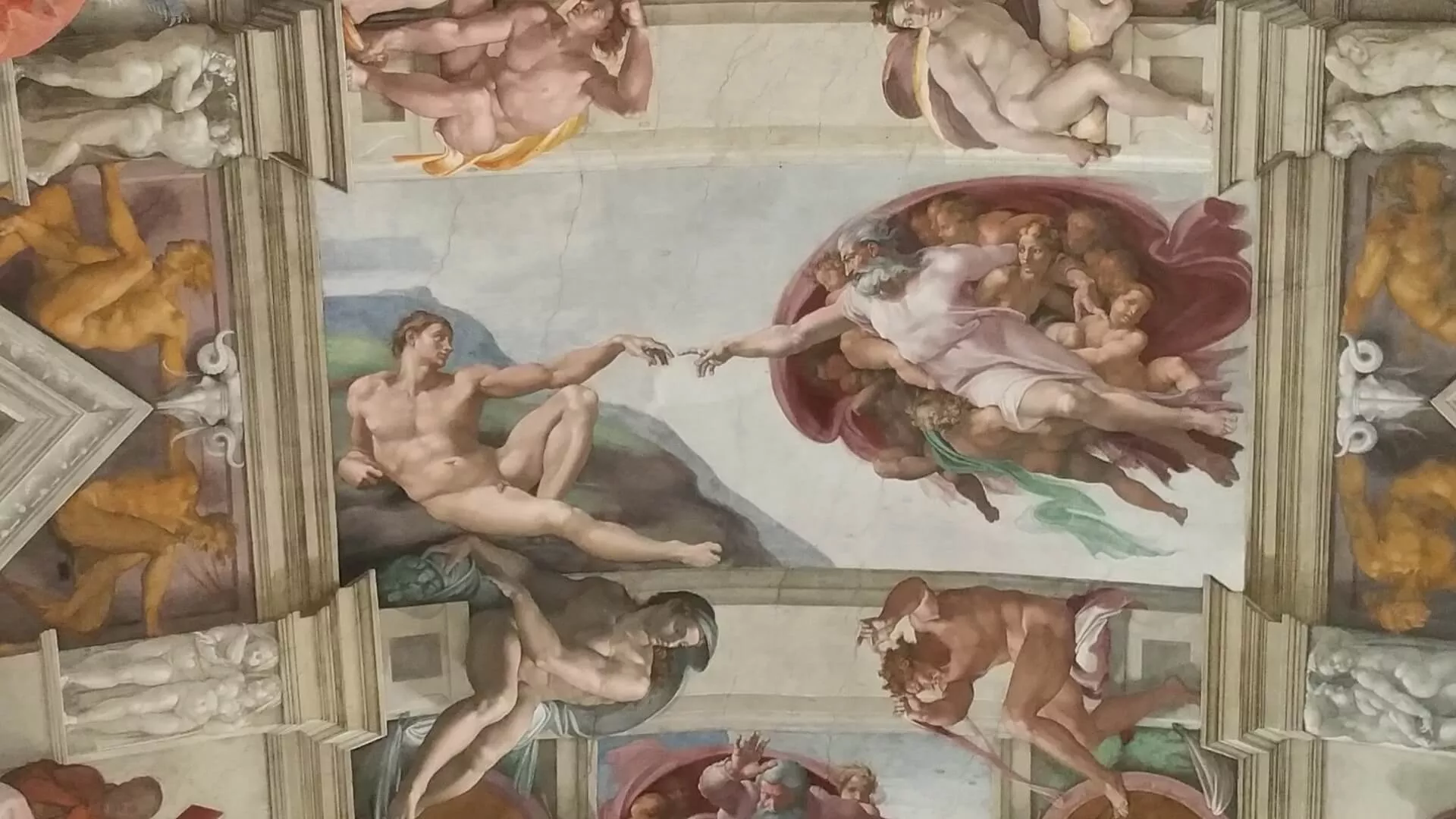
Every inch of the Sistine Chapel is a symbolic text — a sacred conversation between theology, philosophy, and human anatomy.
📖 A Visual Scripture
Michelangelo’s frescoes tell the story of salvation from creation to judgment, but each element conceals deeper meanings.
🔹 The Genesis Panels
- The Separation of Light and Darkness — the birth of order and intellect.
- The Creation of Adam — divine intellect igniting human consciousness.
- The Temptation and Expulsion — freedom, failure, and the cost of knowledge.
Together they form a spiritual anatomy of mankind.
🔹 Prophets and Sibyls
Alternating along the ceiling, the prophets of Israel and sibyls of the ancient world declare a radical Renaissance truth — that divine revelation transcends religion and culture.
Their monumental bodies, haloed by scrolls, embody foresight and faith.
Each speaks across time, foretelling the coming of the Messiah.
🔹 The Ignudi and Medallions
The ignudi — nude youths framing each scene — symbolize unfallen beauty and angelic strength.
The bronze-toned medallions they hold depict the foreshadowing of Christ’s passion, connecting Old Testament sacrifice to New Testament redemption.
🎨 Color and Composition
Every color holds theology:
- Ultramarine Blue: divinity and mystery.
- Vermilion Red: blood, passion, sacrifice.
- Gold and Ochre: divine illumination.
Michelangelo blended these hues into an emotional grammar of salvation — where pigment becomes prayer.
💡 The Universal Message
The Sistine Chapel unites faith and reason, beauty and truth.
Michelangelo’s frescoes declare that the human body itself is sacred scripture, shaped in the image of the divine.
“To see the Sistine Chapel is to see theology made flesh.”
About the Author

Theology Writer
A cultural enthusiast and traveler, I created this site to help visitors experience the Sistine Chapel and its world-renowned art.
Tags
Comments (0)
Loading comments...